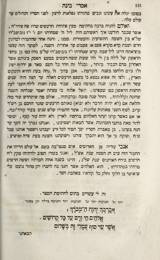
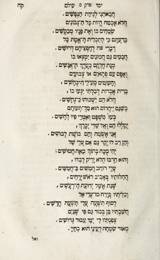
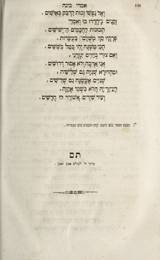
[II p. 206] והנה מדי דברי בלשוננו הקדוש ואותיותיו ותנועותיו יקר בעיני לגעת ג"כ בצנור השירים המחוברים בו חדשים גם ישנים כפי מה שהמה.
[II p. 206] Now, since I have been speaking of our holy language, its letters and its vowels, I think it worthwhile also to touch on the channel of the poems composed in it, new and old, as they are.
ואומר כי החכם האלהי בעל ספר הכוזר קרוב לסוף מאמרו השני בהראותו את מעלת לשוננו הנזכר על כל יתר הלשונות מקבלה וסברא כנראה לו שמה,
I say, then, that the divine sage, the author of the Kuzari, near the end of his second discourse, where he shows the superiority of our language over all other languages, from tradition and from reason, as it seemed to him there,
גזר אומר כי השירים אשר ישתדלו קצת חכמינו האחרונים לחבר אותם בחבור הנגונים במה שיעשום שקולי התנועות שלמות ובלתי שלמות למיניהם ככל הידוע אינם מטבע הלשון העברי אבל מן הערבי,
declared that the poems which some of our later sages strive to compose by joining melodies, making them metrically measured in their full and half vowels of their various kinds, as is well known, are not native to the Hebrew language but come from the Arabic;
כי אדרבא העברי ירחיקם מעליו באשר חבורו הטבעי הוא הנקנה לו מאת הטעמים המורים על הענינים,
for on the contrary, Hebrew rejects them, since its natural composition is the one it acquires from the accents that indicate the meanings;
ושהנחשב אצל החכמים הנזכרים חבור מצד שקלי התנועות כאמור איננו אליו כי אם מחלוקת ככל מה שהאריך במקומו שזכרנו.
and that what those sages regard as composition by measuring the vowels, as stated, is for it nothing but dissension, as he explains at length in the place we mentioned.
ולדעתו הזה נוטה ג"כ החכם דון יצחק בפרוש אשירה נא לידידי,
The sage Don Isaac [Abravanel] also inclines to this view in his commentary on "Let me sing for my beloved" [Isa 5:1],
כי אמר איך בלשוננו הקדוש נמצאו ג' מיני שירים:
for he said that in our holy language three kinds of poems are found:
האחד שירים שקולים בתנועות וחרוזים הנהוג כיום אצלנו לא מטעם כתבי הקדש אבל לקוח משירי הישמעאלים גם משובח מהמה.
The first, poems measured in vowels and rhymes, which are customary among us today, not on the model of the Holy Scriptures but taken from the poems of the Ishmaelites, and even improved upon theirs. 
והשני שירים אשר יבדלו מיתר הכתובים לא מצד המלות עצמם ושום בחינה שבהם,
The second, poems that are distinguished from the rest of Scripture not by the words themselves or any feature in them,
אבל מצד הקול אשר ינעימו בהם השירים ומזמרים אותם כשירת הים והאזינו ודבורה ושירת דוד ודכותיהו.
but by the tune in which the singers sweeten and chant them, such as the Song at the Sea, Ha'azinu, [the Song of] Deborah, the Song of David, and the like.
והשלישי שירים אשר אין בהם השתנות לא בבחינת המלות ולא בבחינת קול המשורר,
The third, poems in which there is no difference either in the words or in the singer's voice,
רק מצד המכוון בהם שאין משמעו כפשוטו ואדרבא המיטב בו כזבו כשיר השירים ושירת ישעיה הנזכרת.
but only in what they intend, their meaning not being according to the plain sense; on the contrary, the best of it is its fiction, such as the Song of Songs and the song of Isaiah mentioned above.
ושלזה יקרא שיר בעצם וראשונה אשר עליו חבר הפלוסוף ספר השיר הידוע.
And this is what is called poetry essentially and primarily, the kind on which the Philosopher [Aristotle] composed his well-known book of Poetics.
והנה דברי החכמים האלה כוזרי ודון יצחק נראין באמת צודקין,
Now the words of these sages, the Kuzari and Don Isaac, seem truly correct,
במה שלא נכיר בכל כתבי הקדש עד אחת מהליכות המשוררים ההמה.
in that we do not recognize in all of Holy Scripture even one of the procedures of those poets.
— אולם נגד זה המצא לידידיה האלכסנדרי אשר אמרנו המצאו קודם חרבן שני,
— Against this, however, Yedidyah the Alexandrian [Philo], who we said lived before the destruction of the Second [Temple], [states the opposite],
כי בפרק המתואר מחיי ההתבודדות בזכרו איך היו אז בין היהודים כתות של אנשים ונשים אשר נפרדו מתאות העולם לעבודת האלהים ולבקשת החכמה ככל סדרי האחים והאחיות הנמצאים כיום [II p. 207] בין הנוצרים,
[II p. 207] for in the treatise entitled On the Contemplative Life, where he records that there were then among the Jews groups of men and women who had separated themselves from worldly desire for the service of God and the pursuit of wisdom, like all the orders of brothers and sisters found today among the Christians,
ולאחר כמה דלתות באותו הפרק עצמו כתב עוד וז"ל:
And several pages later in that same treatise he wrote further, in these words:
בראות הסגן כי נשלמו הלמודים וחדלו קולות הויכוחים,
"When the president sees that the studies are concluded and the voices of debate have ceased,
אם חדש מחובר ממנו או לקוח מן המחוברים כבר ע"י איזה נביא מקדם.
either a new one composed by himself or one taken from those already composed by some prophet of old.
כי הנה נמצאו לקדמונים הרבה מיני שירים שקולים בעלי שלש מדות,
For the ancients had many kinds of measured poems in trimeters,
ותהלות עם נגוניהם לשורר אותם בעת העבודה לפני המזבח ע"כ דבריו.
and hymns with their melodies, to be sung at the time of the service before the altar." Thus far his words.
— וכן היוסיפון סוף ספרו השני לרומיים כתב כי שירת הים היא וירסו איסאמיטרו היינו שיר בעל שש מדות,
— Likewise Yosippon [Josephus], at the end of his second book of [Antiquities] for the Romans, wrote that the Song at the Sea is in versi esametri, that is, a poem of six measures,
גם הקיסרי שהיה כמאתים שנים אחר החרבן ספר י"ב פי"ו מהכנתו כתב וז"ל:
Also the Caesarean [Eusebius], who lived about two hundred years after the destruction, in book 12, chapter 16 of his Preparation, wrote in these words:
אפלטון אמר כי הראוי הוא בשירים הנאמר בם לכבוד האלהים שיהיו שקולים וערבים,
"Plato said that it is fitting that poems recited in honor of God be measured and sweet;
והנה המוסר הזה אשר נלמוד ממנו בדברים, היהודים יורוהו לנו במעשים,
and this teaching, which we learn from him in words, the Jews show us in deeds,
כי לא יקובל אצלם מהלל ושיר שקול לעבודת האלוה רק המחובר ע"י הנביאים ברוח הקדש עד כאן דבריו.
for among them no hymn or measured song is accepted for divine worship except one composed by the prophets through the holy spirit." Thus far his words.
— וכמו כן המעתיק לנוצרים באגרתו לפאולה כתב שקצת מזמורי תהלים הם שירים בעלי שלש מדות,
— Likewise the translator for the Christians [Jerome], in his letter to Paula, wrote that some of the psalms are poems of three measures,
וקצתם בעלי ארבע, וכן שירת האזינו גם משלי,
and some of four, as also the Song of Ha'azinu and Proverbs;
ושהקינות הם ג"כ שירים בעלי מדה אך משונים זה מזה,
and that the Lamentations too are measured poems, but differing from one another,
כי איכה ישבה ואיכה יועם הם של שלש מדות נכללות בפסוק אחד,
for "How [the city] sits" and "How [the Lord] has dimmed" are of three measures contained in one verse,
ובהקדמתו לספר איוב כתב שתחלתו וסופו מליצה פשוטה אך המענים הם שירים בעלי שש מדות באופנים שונים,
And in his preface to the book of Job he wrote that its beginning and end are plain prose, but the speeches are poems of six measures in various forms,
אשר דמה אותם אל רבים מן הנמצאים לחכמי הרומיים,
which he likened to many of those found among the Roman poets,
וכי מי שלא יאמין לדבריו מהמצא בכתבי הקדש שירים בעלי מדה יקבל עדות ידידיה ויוסיפון ואוריגינו ואיבסנביאו ע"כ שם.
and that whoever does not believe his words, that measured poems are found in Holy Scripture, should accept the testimony of Yedidyah, Yosippon, Origen and Eusebius. Thus far there.
וכמו כן בהקדמתו לספר דברי הימים של הקיסרי אשר דבר על מעלת לשוננו הקדוש וקושי היותו נעתק בנעימות הטבעי אליו לכל זולתו מן הלשונות,
Likewise in his preface to the Chronicle of the Caesarean, where he spoke of the excellence of our holy language and of the difficulty of translating it, with the sweetness natural to it, into any other language,
אמר וז"ל: איזהו בעולם ספר נעים זמירות כספר תהלים הדומה לשירי אוראציאו אצל הרומיים ולשירי פינדארו אצל היונים? הלא הוא לפעמים רץ על דרך היאמ"בי,
he said, in these words: "What book in the world is as sweet in song as the book of Psalms, which resembles the poems of Horace among the Romans and the poems of Pindar among the Greeks? Now it runs in the iambic manner,
ופעמים יורגש על נגון האי"ליאקו, ופעמים מתרחב כשיר הסא"פיקו,
now it resounds in the Alcaic mode, now it expands like the Sapphic poem,
ופעמים ילך בחצאי רגלים. ואיזוהי שירה יפה כשירת משה בהאזינו,
and now it proceeds in half-feet. And what song is as beautiful as the Song of Moses in Ha'azinu,
ושירת אשירה נא לישעיהו? ואי אלו שירים נכבדים כשירי שלמה המלך,
and the song 'Let me sing' of Isaiah? And what poems are as noble as the poems of King Solomon,
— ובחבור הקטן הנדפס עם הדקדוקים המתואר דרכי נועם לן' חביב תמצא הדברים האלה:
— And in the small treatise printed with the grammars, entitled Darkhei No'am, by Ibn Habib, you will find these words:
בהיותי במלכות ואלינצה בקהלת מורוי"טרי הגידו לי כל [II p. 208] העם אשר בשער והזקנים,
[II p. 208] "When I was in the kingdom of Valencia, in the community of Murviedro, all the people at the gate and the elders told me
כי שם מצבת קבורת שר צבא אמציה מלך יהודה,
that the tombstone of a commander of the army of Amaziah king of Judah was there.
ואז חשתי לראותה, היא מצבת אבן בראש ההר ואחר העמל והטורח קראתי הכתיבה והיה חקוק עליה שיר,
I then hastened to see it. It is a stone monument on the top of the mountain, and after toil and trouble I read the inscription, and a poem was engraved on it,
וזה לשונו: שאו קינה בקול מרה, לשר גדול לקחו יה,
as follows: 'Raise a lament with a bitter voice / for a great prince whom God (Yah) has taken.'
ולא יכולתי לראות יותר אך מסיים השיר לאמציה,
I could not make out more, except that the poem ends 'of Amaziah.'
אז האמנתי כי הדרך הזה במשקל השירים היה נוהג מימי היות אבותינו על אדמתם עכ"ד.
Then I believed that this method of metrical poetry had been in use since the days when our ancestors were on their own land." Thus far his words.
הרי כי לפי החכמים האלה לשוננו הקדוש בטבעו ומנהגו מימים ראשונים איננו מרחיק השירים בעלי מדה ושקל,
So according to these sages, our holy language, by its nature and custom from earliest times, does not reject poems of measure and meter,
כדבר דון יצחק הנזכר אבל מבחינת הדברים עצמם,
as Don Isaac said, but in respect of the words themselves;
ושנמצאו בהם בכתבי הקדש, ועכ"ז שאלתי את פי רבים מחכמי הדור הידעו למצוא ולהכיר בהם איזו מדה ומשקל ואין מגיד לי,
and [they hold] that such are found in Holy Scripture. Nevertheless I have inquired of many of the sages of our generation whether they could find and recognize in them any measure and meter, and there was none to tell me;
אבל כוליה עלמא מודו שיורגש בקריאתם ערבות שירי,
but all the world agrees that in reading them one senses the sweetness of song,
וברב שרעפי בקרבי לפשר בין הדעות האלה ולמצוא חלק מן המבוקש,
And in the multitude of my thoughts within me, seeking to reconcile these opinions and to find part of what is sought,
לבי אומר לי, כי יש בלי ספק מדות וערכים לשירי הקדש שזכרנו אך אינם נתלות במספר התנועות שלמות או בלתי שלמות כפי השירים הנהוגים עתה בינותינו,
my heart tells me that there are without doubt measures and proportions to the holy songs we mentioned, but they do not depend on the number of full or half vowels, as in the poems now customary among us,
שהם כדברי הכוזרי הליכות שירי הערב שנשתבש מלשוננו;
which, in the words of the Kuzari, follow the ways of Arabic poetry and have corrupted our language;
אבל ערכיהם ומדותם הם במספר הענינים וחלקיהם מנושא ונשוא והמתחבר אליהם בכל אמירה וגזרה נכתבת.
rather their proportions and measures lie in the number of the ideas and their parts, subject and predicate and what is joined to them, in each written statement and clause.
יש אשר יהיה המאמר בעל שתי מדות ועם השני הדבק בו תהיינה ארבע,
Sometimes the statement will be of two measures, and with the second joined to it there will be four;
ויש שיהיה בעל שלש ועם השני שש מלות תמימות תהיינה,
and sometimes it will be of three, and with the second there will be six complete words.
דמיון זה: ימינך ה' הוא מאמר אחד לעצמו בעל שני גבולים או תאמר שתי מדות,
An example: "Your right hand, O Lord" is one statement by itself, having two terms, or say two measures;
נאדרי בכח הוא דומהו הדבק בו אשר יחדו הם ארבע,
"glorious in power" is its counterpart joined to it, so that together they are four;
ועל הדרך הזה אמר אויב, ארדוף אשיג, אחלק שלל,
And in this manner: "The enemy said, I will pursue, I will overtake, I will divide the spoil,
תמלאמו נפשי, אריק חרבי, תורישמו ידי, נשפת ברוחך וגו',
my desire shall be filled with them, I will draw my sword, my hand shall destroy them. You blew with Your wind," etc. [Ex 15:9–10].
היינו האזינו השמים ואדברה, ותשמע הארץ אמרי־פי, יערוף כמטר לקחי,
namely: "Give ear, O heavens, and I will speak, and let the earth hear the words of my mouth; my teaching shall drop as the rain,
תזל כטל אמרתי וגו'. ופעמים בפסוק אחד כל שכן בשירה אחת יהיו שני מיני המדות האלה של ב' ב' ושל ג' ג',
my speech shall distil as the dew," etc. [Deut 32:1–2]. And sometimes in one verse, all the more in one song, both kinds of measures, two-and-two and three-and-three, will occur,
כפי נוח על הנביא הרוח והיות ההשתנות נאות לכונה,
as the spirit rested upon the prophet and as the variation suited the intent.
דמיון זה: וברוח אפיך נערמו מים הם ב' ב',
An example: "And with the blast of Your nostrils the waters were piled up" is two-and-two;
וכן בשירת הבאר התחיל ג' ג' ואחר כן רדף ב' ב',
Likewise the Song of the Well begins three-and-three and afterwards pursues two-and-two;
וכמו כן בתפלת חבקוק שהיא על שגיונות כשגיון לדוד,
likewise the prayer of Habakkuk, which is "upon shigionot" like "a shiggayon of David,"
ונתן אותה אל המנצח על הנגינות הראויות לה כאמרו למנצח בנגינותי,
and which he gave to the choirmaster upon the melodies proper to it, as he says, "For the choirmaster, on my stringed instruments" [Hab 3:19],
וקדוש מהר־פארן סלה. כסה שמים הודו, ותהלתו מלאה הארץ.
and the Holy One from Mount Paran, Selah. His glory covers the heavens, and the earth is full of His praise" [Hab 3:3].
— והנה בקצת הדבורים יצטרך המשכיל להכיר קצת מלות אשר לסבה מה [II p. 209] אינם נכנסות במדות ההנה כמו בשירת האזינו ויאמר אסתירה פני מהם,
[II p. 209] — Now in some utterances the discerning reader must recognize certain words that for some reason do not enter into these measures, as in the Song of Ha'azinu, "And He said, I will hide My face from them" [Deut 32:20]:
מלת ויאמר היא דבור לעצמו, ובכן אסתירה פני מהם הם ג׳ מדות,
the word "And He said" is a unit by itself, and so "I will hide My face from them" is three measures,
אראה מה אחריתם הם ג׳ אחרות וכו' ושני ההויה אשר בתפלת חבקוק פסוק ה׳ שמעתי שמעך וגו׳ שהם לקריאה כל אחד הוא לעצמו,
"I will see what their end shall be" is three more, etc. And the two [occurrences of the Tetragrammaton] in the prayer of Habakkuk, verse 5, "I have heard the report of You," etc., are each to be read by itself,⚠2
ובכן הגזירות אשר אצלם הם ג׳ ג׳. ופסוק כי תאנה לא תפרח הוא שומר דרך אחרת נושא ונשוא,
and so the clauses beside them are three-and-three. And the verse "Though the fig tree does not blossom" [Hab 3:17] keeps another pattern, subject and predicate:
כי תאנה נושא, והנשוא לא תפרח, וכן כל הפסוק שהוא כולל י״ב דבורים אשר ישובו לששת מאמרים פוסקים,
"the fig tree" is the subject and "does not blossom" the predicate, and so the whole verse, which contains twelve units that resolve into six distinct statements;
כי אין עליך למנות לא התנועות ולא המלות רק הענינים,
for you are to count neither the vowels nor the words, but only the ideas,
וכן פסוקי תהלים שומרים הסדר שזכרנו חנני אלהים כחסדך ג׳ כרב־רחמיך מחה פשעי,
Likewise the verses of Psalms keep the order we mentioned: "Be gracious to me, O God, according to Your kindness" three, "according to Your abundant mercy blot out my transgressions" [Ps 51:3];
באלהים אהלל דבר, בה׳ אהלל דבר גם משלי שלמה,
"In God I will praise His word, in the Lord I will praise His word" [Ps 56:11]; also the Proverbs of Solomon,
חכמות בחוץ תרונה, ברחובות תתן קולה. — ומעיני לא יפלא כי נמצאו פסוקים רבים אשר לא ידעתי להלום אותם בדרכים הנזכרים ואולי הפרוץ מרובה על העומד.
"Wisdom cries aloud in the street, she utters her voice in the squares" [Prov 1:20]. — It is not hidden from me that there are many verses which I could not fit to the methods mentioned, and perhaps the exceptions outnumber the rule.
אכן עם סגנון דברי אלה המשכילים יזהירו ויוסיפו למצוא מה שלא דמיתי.
Yet with the style of my words, discerning men will shine and go on to find what I did not imagine.
הלא לכל הפנים יש לנו להאמין כי כל השירות הנמצאות בכתבי הקדש:
In any case we must believe that all the songs found in Holy Scripture,
שירת הים והבאר והאזינו ודבורה ושירת דוד וספרי אמ״ת,
the Song at the Sea, the Well, Ha'azinu, Deborah, the Song of David, and the books of Job, Proverbs and Psalms,
כלם בלי ספק שומרים סדר וערך, זה בסגנון אחד וזה בזולתו או האחד בעצמו בעל מדות שונות,
all of them without doubt keep order and proportion, one in one style and another in another, or a single one with varying measures;
שכן אנו מרגישים בקראנו אותם סגולה נפלאה עם שלא נרד לסוף ידיעת ערכיהם,
for when we read them we sense a wondrous quality, even though we do not attain full knowledge of their proportions,
ובפרט שירי דוד האמורים לפני מזבח ה׳ אין ספק כדבר הכוזרי מאמר ב׳ שהיו מתישבים אל המוסי״קא,
And especially the songs of David recited before the altar of the Lord were without doubt, as the Kuzari says in discourse 2, adapted to music,
ושמה בודאי נגמרה שמה היתה מעוררת את הנפש כסגולתה — ואל תתמה על אמרנו היות שיר אחד בעינו בעל מדות שונות,
and there it was surely completed, and there it stirred the soul according to its property. — And do not wonder at our saying that one and the same poem may have varying measures,
כי אם ידעת בטיב השירים של חכמי אומות העולם כאוראציאו,
for if you know the nature of the poems of the sages of the nations, such as Horace,
טירינציאו וזולתם, יתברר לך כי כן המה עושים גם הם,
Terence and others, it will be clear to you that they too do so,
הכל כפי מה שיאות לכונת הנושא וההשתניות הנופלות בו מתנועות הגוף והנפש.
all according to what suits the intent of the subject and the changes that occur in it from the motions of body and soul.
— ודע קורא משכיל כי מתאותי לשמוע מה ידבר בדרוש הזה איזה רשום מנבוני הדור ובפרט היודע בטיב השירים,
— Know, discerning reader, that in my desire to hear what some notable among the wise of the generation, especially one who knows the nature of poetry, would say on this question,
היו דברי עליו עם חכם לב שלישי באחים פרווינצ״אלי אשר הם למאורות בארצי מ״ן טוב״ה הוא ר׳ יהודה בעל ספר נפוצות יהודה,
I spoke about it with a wise-hearted man, the third of the Provenzali brothers who are luminaries in my land of Mantua, namely R. Judah, author of the book Nefutzot Yehudah,⚠3
וקראתי בשם ה׳ לפניו מראשית הפרק הזה עד הנה,
and I read before him in the name of the Lord from the beginning of this chapter up to here;
גם הוסיף מן דידיה כי תחת האמור שהאחרונים אצלנו לקחו בדרכי השירים דבר נאות מקדמוני האמות,
He also added of his own that, instead of saying that our later poets took a suitable thing in the ways of poetry from the ancients of the nations,
נוכל לתת כבוד ללשוננו ולעמנו ולומר בהפך דאדרבא קדמוני האמות כבר לקחוהו מקדמונים [II p. 210] להם מאומתנו.
[II p. 210] we may give honor to our language and our people and say the reverse: that on the contrary, the ancients of the nations had already taken it from their predecessors of our people.
ואתה יכול לסייעו ממה שכתב הרב המורה חלק א' פרק ע"א וכן בעל דרך אמונה שער ג' שהחכמות הרבות היו לראשונה בישראל אך בשלוט האמות עלינו באו לידם,
And you can support him from what the Master, the Guide, wrote in part 1, chapter 71, and likewise the author of Derekh Emunah, gate 3, that the many sciences were originally in Israel, but when the nations ruled over us they came into their hands;
ואנחנו בלמדנו דבר מהם נדמה היות ראשיתו מאתם ותהי להפך.
and when we learn something from them we imagine that it originated with them, whereas the reverse is true.
יהי מה! מכל האמור בדרוש הזה עד הנה יצא לנו,
Be that as it may! From all that has been said on this question so far, it emerges for us
כי דברי הכוזרי ודון יצחק אשר זכרנו בתחלת הפרק שהם מכחישים היות שירי הקדש על משקלי יתדות ותנועות באותם הנהוגים בזמננו,
that the words of the Kuzari and Don Isaac, which we mentioned at the beginning of the chapter, denying that the holy songs are in meters of feet and vowels like those customary in our time,
הם דברי חכמים ישרים למצוא דעת. ואולם לא בכל זאת נחדל מהודות שיש אליהם בלי ספק מדות אחרות תלויות בענינים על הדרך שאמרנו,
are the words of sages, upright for those who find knowledge. Yet for all that we shall not cease to acknowledge that they without doubt have other measures dependent on the ideas, in the manner we described,
ונמצאו בגלל זה יותר מעולות וחשובות מהתלותם בתנועות ההנה,
and are for that reason more excellent and esteemed than if they depended on those vowels.
ועיניך תחזינה בשירי הנבואה למיניהם תוספת מעלה, כי הלא יתכן שתעתיק קצתם אל לשון אחר וישמרו משקלם או בקרוב,
And your eyes will behold an added excellence in the prophetic songs of every kind: it is possible to translate some of them into another language and they will keep their meter, or nearly so,
מה שלא נוכל בשירים אשר מקצבם נתלה בתנועות ומספרים כנגלה לכל יודע.
which we cannot do with poems whose rhythm depends on vowels and numbers, as is evident to anyone who knows.
לא נוכל להכחיש כי גם הנהוגים כיום אצלנו (אשר לדברי הכוזרי ודון יצחק הם לקוחים מן הערב),
we cannot deny that the [meters] customary among us today too (which in the words of the Kuzari and Don Isaac are taken from the Arabs)
נמצאו מן העת ההיא בקצת ההמון לדברים המוניים לא אצל המשוררים ברוח הקדש.
were found from that time among some of the common people for common matters, not among those who sang by the holy spirit.
— ואולם בין הדברים אשר יהי מן הראוי להתבונן בענין זה עם כי אינני רואה משוררי זמננו שישגיחו בו הוא כי כמו שאצל האומות הקופאים על שמריהם ומסדרים חכמותם על האופנים הנאותים תמצא כל שיר שומר המשקל הנאות לענינו,
— Among the things it would be proper to consider in this matter, though I do not see the poets of our time paying attention to it, is this: just as among the nations who are settled on their lees and arrange their sciences in proper fashion, you will find every poem keeping the meter suited to its subject,
ויש הבדל בין משקל שירי השמחה הנקראים אצלם ליריצי למשקל שירי האנינות הנקראים איליגיאצי ולמשקל האירויצי שהם המחוברים לשבח ולפאר איזה גבור ומלך רב דמי לבר אלהין,
and there is a difference between the meter of songs of joy, which they call lyric, the meter of songs of mourning, which they call elegiac, and the meter of the heroic, which are composed to praise and glorify some hero or great king "like a son of the gods" [Dan 3:25],
וכן למיניהם על זה הדרך; כן יש לנו לעשות בשירים אשר נחבר על משקלי התנועות שיהיו ערכיהם נאותים אל תכליתם,
and so on according to their kinds; so we ought to do in the poems we compose in vowel meters, that their proportions suit their purpose,
ולא כל משקל יכון לכל העולה על רוחנו· הנה דרך משל המקצב אשר תמצאהו אצל טובי המשוררים וקדמוניהם בשיר של שמחה או תהלה ותפלה,
and not every meter fits everything that comes into our mind. For example, the rhythm you find among the best poets and their predecessors in a song of joy, or of praise and prayer,
לא יאות שתשקול בו דברי קינות או שיר נתון במצבת קבורה וכדומה,
it is not fitting to use for words of lament or a poem set on a tombstone and the like,
כמו שהקול יצטרך להיות נכון אל התכלית המבוקש ממנו,
just as the tune must be suited to the purpose sought from it.
הלא תתבונן בהערה האמתית אשר נזדמנה לנו למעלה בפסוקי הקינות,
Consider the true observation that came to us above concerning the verses of Lamentations:
כי איכה ישבה ואיכה יעיב כל פסוק מהם כולל ג' מאמרים פוסקים,
that in "How [the city] sits" and "How [the Lord] has clouded" each verse contains three distinct statements,
וכל מאמר פוסק כולל נושא ונשוא עם אבזריהו,
and each distinct statement contains subject and predicate with their accessories;
ואני הגבר שומר כמו כן דרכם כי על כן נסמך אליהם אך הוא נחלק לשלשה ראשים,
"I am the man" likewise keeps their pattern, for which reason it is placed next to them, but it is divided into three heads;
וכן כתב [II p. 211] היוסיפון לרומיים ספר י' פ"ו כי ירמיהו קונן על יאשיהו שיר מחובר במקצב אנינות ודאבון נפש· אפס זכור ה' מה היה לנו שהוא תפלה תראהו בנוי על סגנון אחר,
[II p. 211] And so Yosippon [Josephus] wrote in [Antiquities] for the Romans, book 10, chapter 6, that Jeremiah lamented Josiah in a poem composed in a rhythm of mourning and anguish of soul. But "Remember, O Lord, what has befallen us," which is a prayer, you will see built in another style,
היינו אחת באחת שהן שתים לדמיון פסוקי אמ"ת שזכרנו.
namely one by one, which make two, like the verses of Job, Proverbs and Psalms we mentioned.
וכן שירת האזינו ושירת דבורה שומרות משקל אחד של ג' ג' שהם ו' כמו השיר אירויקו שהוא המעולה והנכבד אצלם.
Likewise the Song of Ha'azinu and the Song of Deborah keep one meter of three-and-three, which make six, like the heroic poem, which is the most excellent and esteemed among them.
והן לא אנס לי כי דברי אלה מעט מהרבה ומר מדלי,
And I cannot help it that these words of mine are little out of much, a drop from a bucket [Isa 40:15];
אולם החכם שומע ומוסיף, בטוב טעם ודעת· — וכמו כן בין יתר ההשקפות הנאותות בשירי המצבות הואיל ואתו לידן יאות שיעשו כפי תכליתם האמתי והתועלת הנדרש בהמה.
but the wise man will hear and add, with good taste and knowledge. — Likewise, among the other proper considerations regarding tombstone poems, since they have come to our hands, it is fitting that they be made according to their true purpose and the benefit required of them.
כי הנה ידעת מה שכתבו ז"ל בירושלמי דשקלים וכן בב"ר פסוק ויצב יעקב מצבה תניא רשב"ג אומר,
For you know what [the sages] of blessed memory said in the Jerusalem Talmud, Shekalim, and likewise in Bereshit Rabbah on the verse "And Jacob set up a pillar": It was taught, Rabban Simeon ben Gamaliel says:
אין עושין נפשות לצדיקים כי דבריהם הן הם זכרונם,
"Monuments are not made for the righteous, for their words are their memorial."
אשר מזה ידומה שהמצבות הנהוגות על המתים יהיו מנהג הדיוט ודברים לא יתכנו,
From this it might be thought that the monuments customary for the dead are a vulgar custom and improper things,
כ"ש כי בבחינת יקרא דשכבי הלא המתים אינם יודעים בו מאומה ומאי דהוה הוה,
all the more since, as regards the honor of the dead, the dead know nothing of it, and what has been has been,
אולם לעומת זה תמצא שאמרו שם מותר המת יעשה לו נפש על קברו ובערובין פ' מעברין זכרו הנפשות האלה לענין התעברם עם העיר בדיני שבת,
But against this you will find that they said there that what remains [of funds collected] for the dead is used to make a monument over his grave; and in Eruvin, chapter Me'abberin, they mention these monuments in connection with their being included within the city's boundary in the laws of the Sabbath;
ומקרא מלא ויצב יעקב מצבה וגו' ובמלכים ב' כ"ג לענין קבר איש האלהים מה הציון הלז,
and there is an explicit verse, "And Jacob set up a pillar," etc., and in 2 Kings 23, concerning the grave of the man of God, "What is this marker?"
והרי אלה אותות שכבר נתפשט מנהגם מקדם; ובכן נאמר כי לא בא רשב"ג לגנות מעשה הציונים לצדיקים בהחלט,
These are signs that the custom had already spread in ancient times. Hence we say that Rabban Simeon ben Gamaliel did not come to condemn the making of markers for the righteous absolutely,
כי אם דוקא בהיות נאות לדברו ההוא הטעם אשר נתן בו,
but only where the reason he gave fits that statement of his,
היינו שתכוין לתת לו זכרון באותו הציון כאלו זולת זה מעצמו לא השאיר אחריו ברכה וזכר,
namely when one intends to give him a memorial by that marker, as though otherwise he had not left behind him blessing and remembrance of himself,
באשר ימצא אז ציונו הלז כיד אבשלום בשמואל י"ח כי אמר אין לו בן בעבור הזכיר שמו,
for then this marker of his would be like Absalom's monument in Samuel 18, for he said, "I have no son to keep my name in remembrance" [2 Sam 18:18];
אבל כשיכון במצבה דבר מועיל באופן מה כמו שנזכור לא יהרהר רשב"ג או כל חכם אחריה.
but when a useful thing of some kind is intended by the monument, as we shall mention, neither Rabban Simeon ben Gamaliel nor any sage after him would object.
— והנה בקדמוניות ליוסיפון תמצא היותו זוכר מיתת אחד ממלכי בית שני וקבורתו,
— Now in the Antiquities of Yosippon [Josephus] you will find that he records the death of one of the kings of the Second Temple period and his burial,
וספר איך כאשר לקברות הובל היו אנשים הולכים אחר המטה בכמה מיני בשמים ופעם אחר פעם משליכים מהם עליו,
and tells how, when he was carried to the grave, men walked after the bier with several kinds of spices, throwing some upon him again and again,
גם אפשר שזאת היתה סבת המסופר בד"ה כי המלך אסא עודנו חי מלא את הקבר אשר הכין לו בשמים וזנים מרוקחים,
It is also possible that this was the reason for what is related in Chronicles, that King Asa while still alive filled the tomb he had prepared for himself with spices of various kinds compounded [2 Chr 16:14],
כלומר שעוד יבא זמן שהוא ומכיריו אחד באחד יגשו ודבר בראשונה איש אל רעהו,
that is, that a time will yet come when he and his acquaintances will approach one another and speak, as at first, each with his fellow,
בלי שיעכבם עפוש וצחנה כי אם ראשי בשמים יתנו ריח.
without being hindered by decay and stench, but rather the choicest spices will give forth fragrance.
— וכמו כן בין הנוצרים החכם אקוינו ברביעי על הפסקים חלוקה ט"ו ומ"ה כתב איך ציוני הקברות נעשים לאות תחיה עתידה,
— Likewise among the Christians the sage Aquinas, on the fourth [book] of the Sentences, distinctions 15 and 45, wrote that grave markers are made as a sign of the future resurrection,
ועוד למען יתפללו רואיהם על תשועת הנפש, גם המליץ טוליאו בראשון מן [II p. 212] הטוסקולאני כתב ממנהג האומות הקדומות בענין הציונים קרוב למה שזכרנו.
[II p. 212] and also so that those who see them will pray for the salvation of the soul; and the orator Tullius [Cicero], in the first of the Tusculans, wrote of the custom of the ancient nations concerning markers something close to what we have mentioned.
אבל נניח אלה ונתבונן על אמרם ז"ל פ"ב דתענית למה יוצאים לקברות,
But let us leave these and consider what [the sages] of blessed memory said in chapter 2 of Ta'anit: Why do they go out to the cemeteries?
חד אמר הרי אנו חשובים לפניך כמתים וחד אמר כדי שיבקשו עלינו רחמים.
One said: "Behold, we are considered before You as the dead"; and one said: "So that [the dead] will seek mercy for us." [b. Ta'anit 16a]
ובזוהר אחרי מות אמרו וז"ל: בשעתא דאיצטריך עלמא רחמי וחייא אזלי ומודעי להו לנפשייהו דצדיקייא ובכיין על קבריהו אינון דאתחזו לאודעאה להו,
And in the Zohar, Aharei Mot, they said, in these words: "When the world needs mercy, the living go and inform the souls of the righteous, and weep on their graves — those who are fit to inform them.
מ"ט דשויין רעותא דילהון לאתדבקא נפשא עם נפשא,
Why? Because they set their will to cleave soul to soul.
כדין אתערין נפשייהו דצדיקייא ומתכנפי ואזלין ושיטין לדמוכי חברון ומודיעי להו צערי דעלמא וכולהו עאלין בההוא פתחא דג"ע ומודיעי לרוח,
Then the souls of the righteous awaken and gather and go and roam to those who sleep in Hebron and inform them of the world's sorrows, and they all enter that gate of the Garden of Eden and inform the ruah,
ואינון רוחין דמתעטרן בג"ע מלאכי עילאין אזלי ביניהו וכולהו מודיעין לנשמה,
and those spirits that are crowned in the Garden of Eden as supernal angels go among them, and all inform the neshamah,
ונשמה אודעא לקב"ה וכולהו בעין רחמי על חיין וחס קב"ה על עלמא בגינהון ועל דא אמר שלמה ושבח אני את המתים שכבר מתו וגו' ע"כ· והרי הלכה למעשה מצינו פרק אלו נאמרין שהשתטח כלב על קברות הצדיקים אבותינו,
and the neshamah informs the Holy One, blessed be He, and all ask mercy for the living, and the Holy One, blessed be He, has pity on the world for their sake. And concerning this Solomon said, 'Wherefore I praised the dead who are already dead,' etc. [Eccl 4:2]." Thus far. And indeed we find as practical precedent, in chapter Elu Ne'emarin, that Caleb prostrated himself on the graves of the righteous, our fathers [b. Sotah 34b].
אם כן טוב לנו להכיר בין עובד אלהים לאשר לא עבדו כפי המבחן שלמדונו באמרם כל שרוח הבריות נוחה הימנו וכו',
If so, it is good for us to distinguish between one who serves God and one who does not, according to the test they taught us in saying, "Anyone with whom people are pleased," etc. [m. Avot 3:10];
ובמה יודע אפוא מקום קברות המוחזקים לאנשי חסד הלא במעשה הציונים והמצבות אשר על ידם ימצא כל מבקש למקום אשר יעמוד עליו אדמת קדש.
and how then is the place of the graves of those held to be pious men known, if not by the making of markers and monuments, through which whoever seeks will find the place on which he stands to be holy ground [Ex 3:5]? 
ובגלל הדברים האלה רחש לבי כי כל עוד שיהיו שירי המצבות משקיפים לא להגדיל בשבחות המדומות כרום היחס וכבוד העושר וכדומה,
For these reasons my heart has stirred [to say] that so long as tombstone poems look not to magnifying imagined praises, such as high lineage, the glory of wealth and the like,
רק להזכיר אל הבא אליו ועמד כי לא במות הגוף מתה הנפש וכי צדקותיו אשר עשה תזכרנה לו מאל גמולות,
but only to remind whoever comes and stands there that the soul does not die with the death of the body, and that the righteous deeds he did will be remembered for him by the God of recompense,
או כי לעת התחיה יהיו לו מהלכים בין העומדים והיות כל אדם עתיד לתת דין וחשבון לפני המלך ה',
or that at the time of resurrection he will have places to walk among those who stand by [Zech 3:7], and that every man will in future give judgment and account before the King, the Lord,
וכיוצא באלו האמונות התוריות אשר יאות אל החי שיתנם אל לבו,
and similar beliefs of the Torah which it is fitting for the living to take to heart,
אין זו מצבה אשר שנא שום בעל שכל אבל על טוב יזכר שמה.
this is not a monument that any man of understanding hates; rather its name shall be remembered for good.
כי האמנה הדברים והתכליות שזכרנו הנם נכוחים וישרים יקרא דשכבי וחיי,
For truly, the matters and purposes we mentioned are right and upright, an honor to the dead and the living,
לקבוע בכמו אלה המעשים בלב ההמון כי הרוח תשוב אל האלהים וכי על כל מעשה יבוא במשפט,
to fix through such works in the heart of the common people that the spirit returns to God [Eccl 12:7] and that God will bring every deed into judgment [Eccl 12:14],
והנה לענין זה לא אחדל ידיד קורא מהעלות פה לזכרון השיר אשר לקחני לבי עודני חי,
In this connection, dear reader, I will not refrain from recording here the poem which my heart moved me, while I am still alive,
לחבר על דעת שיחצב על מצבת קבורתי כדבר איוב בעט ברזל תחלה ואח"כ ימלא עופרת.
to compose, with the intention that it be engraved on my tombstone, as Job says, "with an iron pen" [Job 19:24] first and afterwards filled with lead.
לא כיד אבשלום חלילה גם לא לאידך גיסא מהיותי צדיק בעיני,
Not like Absalom's monument, God forbid, nor on the other hand because I am righteous in my own eyes,
או לשם ולתהלה על משפחתי מן האדומים אשר קבלנו מקדמונינו היותה אחת מן הארבע היקרות שהגלה טיטוס לרומי,
or for name and praise for my family of the Adumim [de' Rossi], which we have received from our forebears was one of the four precious [families] that Titus exiled to Rome;
כי סוף דבר למליצה נאה יאמר הלך ילך ובכה נושא משך הזרע בוא יבא ברנה נושא אלומותיו,
for in the end, to put it fittingly, "He goes forth weeping, bearing the bag of seed; he shall surely come back with joy, bearing his sheaves" [Ps 126:6],
כדבר ר' פרידא פ' שתי הלחם אי בר אורין יאי וכמו שהיטיב לדבר ידידיה האלכסנדרי בפרקו המיוחד על נדיבות היחס,
as R. Perida said in chapter Shetei ha-Lehem, "If he is a son of Torah, it is fitting," and as Yedidyah the Alexandrian [Philo] put it well in his treatise devoted to nobility of descent;
אבל [II p. 213] עלה במחשבה לפני לתת בו אות על התעתדי ככל האדם להפקר מאדון היצורים על מפעלותי,
[II p. 213] rather, it came to my mind to give in it a sign of my being ready, like all men, to be held to account by the Lord of creatures for my deeds,
קרא אתה בפיך כי הוא זה: ב' תנועות ויתד וב' תנועות ויתד וב' תנועות בדלת וכן בסוגר מִן יַם סְעָרוֹת הֵן אֱלֵי הַחוֹף בָּאתִי וּמַה קָּדִים אֲשֶׁר אִירָא.
Read it aloud yourself, for this is it: two vowels and a peg, two vowels and a peg, and two vowels, in the first half-line, and likewise in the second: "From a sea of tempests, behold, to the shore have I come — and what east wind should I fear?
אֶשְׂחַק לְתַהְפּוּכוֹת זְמַן אַכְזָב, לֹא יִהְיֶה עוֹד לִי אֱלֵי זָרָא.
I laugh at the reversals of deceitful time; it shall no longer be loathsome to me.
קָשֶׁה בְּסַחֲרִי אִם יְהִי רָצוּי לַשָּׁר אֲשֶׁר לַכֹּל בְּשֵׁם יִקָּרֵא.
My traffic is hard, [to know] whether it will be acceptable to the Prince who is called by name to all.
אַךְ הוּא בְּרָאַנִי וְלֹא אֶחְסַר חַסְדּוֹ שֶׁהוּא מַפְלִיא לְכָל נִבְרָא.
Yet He created me, and I shall not lack His kindness, for He works wonders for every creature."
אשר כריתי לי אני וכו'. ועל מצבת יקירי בן בתי כתבתי:
"[In my grave] which I have dug for myself" [Gen 50:5], etc. And on the tombstone of my dear one, my daughter's son, I wrote:
חֶלְקַת יֶלֶד נָעִים, מִיַּלְדֵי השועים ספון עַד כִּנְטִיעִים,
"The plot of a pleasant child, of the children of nobles, hidden until, like saplings,
יִצְמַח קֵץ הַיָּמִין. בֵּין כָּל זַכֵּי אֳרָחוֹת, הַזּוֹכִים לִמְנוּחוֹת.
he shall sprout at the end of days, among all those of pure ways who merit places of rest.
כלל זה יהיה בידינו כי השירים הבאים על מקצבי יתדות ותנועות במספרם כמשפטם אינם על האמת מטבע לשוננו,
Let this rule be in our hands: poems that come in rhythms of pegs and vowels in their proper number are not truly native to our language,
וצדק החכם כוזרי באמרו שהם מתנגדים למעלתו במה שעל הרוב יניעו הנח ויניחו הנע יפרידו החבור ויחברו הנפרד וכיוצא מן הגנאי אשר יעבור על יד מי שלא ירבה להשגיח,
and the sage of the Kuzari was right in saying that they are contrary to its excellence, in that they mostly move the quiescent and make quiescent the mobile, separate what is joined and join what is separate, and similar disgraces that befall one who does not take great care;
אבל השירים הנאותים בו הם השומרים נגוניהם בבחינת הענינים כדברי הנביאים שזכרנו.
but the poems suited to it are those that keep their cadences with regard to the ideas, like the words of the prophets we mentioned.
והאלהים [II p. 214] בטובו יגלה את עינינו ונביט מתורתו נפלאות לרצון לפני חסדיו הגדולים עד עולם סלה.
[II p. 214] And may God in His goodness open our eyes, that we may behold wonders out of His Torah [Ps 119:18], as is pleasing before His great mercies, for ever, Selah.
ואולם להניח ברכה בחתימה מעין פתיחת הרעשים שהיו פה פירר"ה,
However, to leave a blessing at the close, corresponding to the opening, concerning the earthquakes that occurred here in Ferrara,
אומר שכבר הודענו איך ראשיתם היה ליל ה' שמחרתו יום ו' י"ז נובימב"רו של"א בין השעה התשיעית והעשירית ממנו.
I say that we have already reported how they began on the night of Thursday, the morrow of which was Friday, 17 November 5331, between its ninth and tenth hours.
והנה אחר שהתמידו לכרוגין חדש ושבת קרא מקרא פעם או פעמים עד אחרית השנה,
And after they continued intermittently, from new moon to Sabbath [Isa 66:23], now once, now twice, until the end of the year,⚠5
למועד הזה עצמו ביציאתה היינו ליל שבת קדש שמחרתו י"ז נובימב"רו של"ב נהיו כמו כן בחצי הראשון של לילה בין ד' לה' שעות ששה רעשים במעט הפסק בינותם אשר האחרון מהם הכביר ביותר,
at that very season, at its going out, namely on the night of the holy Sabbath whose morrow was 17 November 5332, there likewise occurred, in the first half of the night between the fourth and fifth hours, six tremors with little pause between them, the last of which was the strongest,
אכן ברוך ה' נחה בעת ההיא ותשקוט הארץ.
But blessed be the Lord, it subsided at that time and the land was quiet.
ולפי זה אפוא נמצא כי משפט הרעשים האלה עד הנה היה שנים עשר חדש,
Accordingly we find that the course of these earthquakes so far has been twelve months,
היינו שנה תמימה כשני שכיר מעת חצות לילה השני לעת החצות הראשון כמו שספרנו.
that is, a full year, "as the years of a hireling" [Isa 16:14], from the midnight of the second [night] to the time of the first midnight, as we related.
יואל אלוה כי מעתה יאמר שכלתה השנה שחונה וקללותיה,
May God be pleased that from now on it may be said that the year of drought and its curses has ended,
ותחל שנה טובה וברכותיה. אולם מה שיתחדש עוד מזה והלאה אם (לא יהיה הדבר ולא יבוא) כאותם הרעשים שזכר החכם בן רש"ד קרוב לסוף השני מאותות עליונות,
and a good year and its blessings has begun. But what may yet occur from now on — whether (may it not happen nor come to pass) like those earthquakes which the sage Ibn Rushd [Averroes] mentioned near the end of the second [book] of the Meteorology,
אשר התמידו שלש שנים בעיר קורד"ובה, או אם כאשר קוינו יעתר האלהים ברחמיו לארץ ולא יהיה עוד קצף,
which continued for three years in the city of Cordoba, or whether, as we have hoped, God will be entreated in His mercy for the land and there will be no more wrath —
יסופר לדור מאת כותבי הזכרונות אשר הבאות ישמיעונו.
will be told to the generation by the writers of chronicles, who will let us hear what is to come.
ואנחנו נברך יה הסך עד הנה בעדנו, כן באברת חסדיו יסך תמיד לכל זרע יעבדנו וישמור אותנו מכל צרה וצוקה כי אך הוא יתברך צורנו וישועתנו העונה בעת צרה ומושיע.
And we will bless the Lord, who has sheltered us thus far; so with the pinion of His mercies may He ever shelter all the seed that serve Him and guard us from all trouble and distress, for He alone, blessed be He, is our Rock and our salvation, who answers in time of trouble and saves. 
אנכי עזריה מן האדומים איש מנטו"בה בשם אל עולם הריתי את החבור הזה ערב חג הפסח שנת אש"ל,
I, Azariah of the Adumim, a man of Mantua, in the name of the everlasting God conceived this work on the eve of the festival of Passover in the year 5331,
ואנכי בעזרו הטוב ילדתיהו מקץ י"ח חדשים בירח האיתנים שנת של"ג,
and I, with His good help, gave birth to it at the end of eighteen months in the month of Ethanim [Tishri] in the year 5333;
היינו בשנה אחת חברתיו וששה חדשים טרחתי במהדורתו.
that is, I composed it in one year and spent six months on its revision.
הוא האלהים אשר חנני כח לחברו יתן מהוד נועמו עלי שיאושר בו חלקי וחלק כל קוראיו באהבת חסד.
May God, who granted me strength to compose it, bestow upon me of the splendor of His graciousness, that my portion and the portion of all its readers be made happy by it in the love of kindness [Mic 6:8].
זה לי עשרים בתים לחתימת הספר. יתד וב' תנועות יתד וב' תנועות יתד ותנועה בדלת וכן בסוגר.
Here are twenty lines of verse for the close of the book: a peg and two vowels, a peg and two vowels, a peg and a vowel, in the first half-line, and likewise in the second.
אברכה יְהוָה הַמְּבֹרָךְ, אֱלֹהִים חַי וְרָם עַל כָּל קְדוֹשִׁים.
I will bless the Lord, the blessed, the living God, exalted above all holy ones,
אֲשֶׁר עַד סוֹף עֲמָלִי זֶה בְּשָׁלוֹם [II p. 215] הבאתני לגילת הנפשים .
[II p. 215] who has brought me in peace to the end of this toil of mine, to the joy of souls.
בדעתם כי לתכלית ה־אמת כל דברי פה לחפציהם דרושים .
knowing that for the purpose of truth all the words of the mouth are sought for their desires.
חכמים גם המונים ימצאו בו מנת חלקם כערך ה־אנשים .
Sages and common folk alike will find in it their allotted portion, according to the measure of men.
ואפס עם פתאים או צבועים והעוטים מעילי ה־כחשים ,
But with the simple, or hypocrites, and those wrapped in mantles of deceit,
ברית אכרות לבלתי יגעו בו , הלא הם ישכוהו כ־נחשים .
I make a covenant that they shall not touch it; for they would bite it like serpents.
בשגם י־הרוס הוא מל־תעותם בעז משפט ואמרי פיו לחשים .
Moreover, God will break their fangs by the might of judgment, and the words of His mouth are charms.
יקללו הם ואל שדי יברך , אני אשמח והם בושת לבושים .
Let them curse, and God Almighty will bless; I shall rejoice, and they shall be clothed in shame.
החלותיו באביב ראש ירחים , שנת אשר ידועת ה־רעשים ,
I began it in spring, the head of months, in the year known for the earthquakes,
וכליתיו בירח מו־עדי אל לסוף תשעה עלי תשעה חדשים .
and I completed it in the month of God's festivals, at the end of nine upon nine months.
חשבתיו בן בכור גם פי שנים צפנתיו לי ימי עבור גדושים .
I reckoned it a firstborn son, with a double portion; I hid it away for myself for full days of gestation.
מאור שמחה לעיני הוא בחיי . [II p. 216] ואל נפשי זכות לדבק באישים .
[II p. 216] It is a light of joy to my eyes in my life; and to my soul, merit to cleave to the [heavenly] beings.
זקנים נ־הדרו בו ואמרי תבונות לחכמים ה־ישישים .
Elders are adorned by it, and words of understanding [are in it] for aged sages.
פרקיו סך משלם בעשרות . הכי משגה יהי בטל בששים .
Its chapters total a full count in tens; is not an error nullified in sixty?
ואם צורי בחיים יגזרני , אני ארבה ולא אסור דרושים .
And if my Rock decrees me life, I will increase and not turn aside from inquiries,
לע־זר"יה הלא כשמי אקוה . ועוד שירים אשורר לו חדשים .
For the help of God (Azaryah), as is my name, I hope; and I will yet sing new songs to Him.